
If there's one place on the face that tells the story of a late night, a stressful week or too much time in the sun, it's the eye area. Many of my clients notice change here before anywhere else, and it's one of the most common things people ask me about.
In this post I'll explain why the eye area is so quick to show it, what genuinely helps, and where a good eye product and in-clinic treatment fit in. I take a skin-health-first approach, so we'll start with the basics before we talk about products.
Why the eye area shows change first
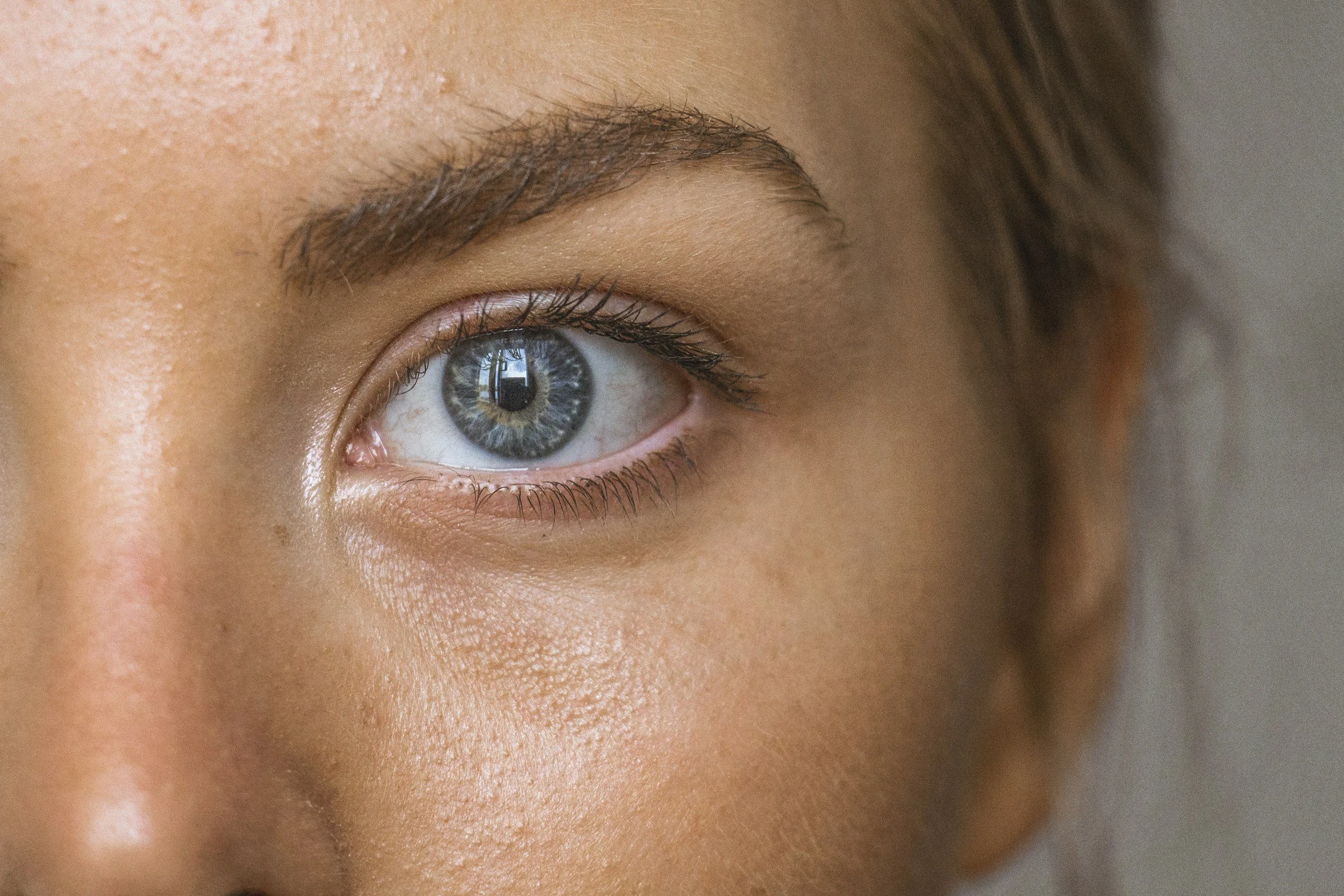
The skin around your eyes is much thinner and more delicate than the skin on the rest of your face. It has less natural support and fewer oil glands, so it can dry out quickly and show tiredness, fine lines and texture changes earlier. You also blink and move this area thousands of times a day, which adds up over the years.
That's why you can do a lot right for the rest of your face and still feel your eyes look tired.
Start with the foundations
I always begin with lifestyle, because no eye product can fully make up for it. The eye area is one of the first places that:
Lack of sleep shows up, with a duller, more tired look
Stress shows up, because it affects how your skin looks and recovers
Dehydration shows up, because thin skin looks more crepey and lined when it's dry
I'm not suggesting you can fix your life overnight. But small, steady changes (a more regular bedtime, drinking enough water, finding ways to wind down) often make as much difference as a new product.
Protect the area every day
Sun protection is the biggest long-term factor in how skin ages, and the under-eye area is the part most people forget. Apply SPF every day, right up to the bony rim around your eye, and wear sunglasses when it's bright. It's a habit that pays you back year after year.
Be gentle with what you put near your eyes
Thin skin means this area is easily irritated. A few simple rules:
Go carefully with strong active ingredients. Products designed for the rest of the face aren't always suitable around the eyes, so check the label, and if you're unsure, ask.
Choose a gentle make-up remover. Harsh removers can strip the skin and leave it dry and sore.
Don't rub or pull. Press and glide to remove make-up, and try to resist rubbing tired eyes.
These steps cost nothing, and they protect the skin you've got.
A targeted eye product, my November pick
Once the basics are in place, a dedicated eye product can be a useful daily step. This month my product of the month is the iS Clinical GeneXC Firming Eye Gel.
It's a lightweight gel with a cooling applicator, formulated to visibly firm, smooth and brighten the eye area. It contains two forms of vitamin C along with peptides, and it's applied morning and evening, under your SPF and make-up. I chose it because it's simple to use, it's designed for this delicate area, and it fits into a routine people will actually keep up.
A few honest notes. An eye gel supports your skin day to day, but it works best alongside the basics above, and it isn't a substitute for in-clinic treatment. As with any new product, patch test first, particularly if your skin is sensitive, and check the ingredient list if you're prone to reactions.
When in-clinic treatment can help
Sometimes skin quality needs more support than products alone can offer, particularly when the skin is thin, crepey or dehydrated-looking. This is where treatments focused on skin health and regeneration come in. Treatments such as polynucleotides can help the quality. They aren't a quick fix, and they're not right for every under-eye concern: dark circles from pigment, puffiness or hollowing, for example, need a different approach. That's exactly why I assess each person individually rather than recommending the same thing to everyone.
What a consultation with me looks like
My consultations aren't a sales pitch. I won't ask you to throw away everything you own or sign up for a long list of treatments. We talk about your concerns and goals, I assess your skin properly hands-on (which tells me far more than a photo or an online questionnaire can), and we discuss what's realistic, how often you can come in, how quickly you'd like results, and your budget. You're never pressured to book anything on the day, and you leave better informed than when you arrived.
Quick summary: caring for your eye area
Look after sleep, stress and hydration first
Wear SPF every day, right up to the eye
Avoid strong actives and harsh make-up removers near the eyes
Use a gentle, dedicated eye product consistently
Get a proper assessment if you want to go further
Book your skin consultation
If you'd like to understand what your eye area actually needs, you can book a skin consultation with me at my clinic in Christchurch, Dorset. [Book your consultation here.]
You can also follow me on Instagram @theaestheticsroomdorset for more skin-health advice, and message me if you have a question.
